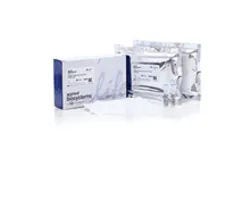
Nukleinsyrareaktionsanalys mikroplattor
Plattor för PCR, qPCR, DNA- eller RNA-reaktioner utformade för att passa ett stort antal termocykelmodeller och instrument som stödjer enzymatiska och biokemiska reaktioner. Välj mellan plattor med eller utan streckkoder, platta, U- eller V-formade bottnar samt varierande sterilitet och volymparametrar beroende på dina behov.


Användbara länkar
Spara nu – exklusiva erbjudanden

Produktkod 4104932

Produktkod 10659845


Produktkod 7194011

Produktkod 12640965

Produktkod 10794404

Produktkod 10542645


Produktkod 10273513
Komplettera din beställning – bra erbjudanden

Produktkod 7180381

Produktkod 4525186

Produktkod 10130853
FAQ
Nukleinsyrareaktionsanalys mikroplattor används inom molekylärbiologi och biokemi för olika tillämpningar som involverar nukleinsyror (DNA och RNA). Här är några vanliga användningsområden:
- Polymeraskedjereaktion (PCR): Dessa mikroplattor används ofta för att utföra PCR, en teknik för att amplifiera specifika DNA-sekvenser
- Kvantitativ PCR (qPCR): Används för att kvantifiera mängden DNA eller RNA i ett prov
- DNA-sekvensering: Mikroplattor används i sekvenseringsreaktioner för att bestämma nukleotidsekvensen i DNA
- RNA-analys: Används för olika RNA-baserade analyser, inklusive omvänd transkriptions-PCR (RT-PCR), som omvandlar RNA till DNA för amplifiering och analys
- Genotypning: Mikroplattor används i genotypningsanalyser för att analysera genetiska variationer
- DNA/RNA-extraktion och rening: Används för att extrahera och rena nukleinsyror
- Hybridiseringsanalyser: Involverar bindning av komplementära nukleinsyrasträngar och används i tekniker som mikroarray-analys
- Enzymanalyser: Studerar enzymer som interagerar med nukleinsyror
- Biblioteksförberedelse: För nästa generations sekvensering
- Läkemedelsutveckling: Höggenomströmningstestning av nukleinsyrainteraktioner
Metoder för nukleinsyraanalys inkluderar:
- Polymeraskedjereaktion (PCR): Amplifierar specifika DNA-sekvenser
- Kvantitativ PCR (qPCR): Kvantifierar DNA- eller RNA-nivåer i realtid
- Omvänd transkriptions-PCR (RT-PCR): Omvandlar RNA till DNA för amplifiering
- DNA-sekvensering: Bestämmer DNA-sekvenser (t.ex. Sanger, NGS)
- Gelelektrofores: Separerar nukleinsyror efter storlek
- Northern blotting: Detekterar specifika RNA-sekvenser genom hybridisering med en märkt sond
- Southern blotting: Detekterar specifika DNA-sekvenser genom hybridisering med en märkt sond
- Mikroarrayer: Analyserar genuttryck eller genetiska variationer genom hybridisering av nukleinsyror till ett stort antal prober på en fast yta
- In situ-hybridisering (ISH): Lokaliserar nukleinsyror i vävnader/celler
- Nukleinsyraextraktion: Isolerar nukleinsyror från prover
- Digital PCR (dPCR): Kvantifierar DNA/RNA med hög precision
- Fluorescens in situ-hybridisering (FISH): Detekterar nukleinsyror med fluorescerande prober i celler
Vid val av nukleinsyrareaktionsanalys mikroplattor, överväg följande faktorer:
- Välj mikroplattor tillverkade av material som är kompatibla med din analys, såsom polypropen eller polystyren, vilka erbjuder låga bindningsegenskaper och kemisk resistens
- Välj lämpligt brunnsformat (t.ex. 96-, 384- eller 1536-brunnars plattor) baserat på genomströmning och volymkrav
- Överväg plattor med specifika ytbehandlingar (t.ex. icke-bindande, högbindande) för att förbättra analysens prestanda beroende på om du vill minimera eller maximera nukleinsyrabindning
- För analyser med optisk detektion (t.ex. fluorescens eller absorbans), säkerställ att mikroplattorna har hög optisk klarhet och är kompatibla med dina detektionsinstrument
- Säkerställ att mikroplattorna kan förseglas effektivt för att förhindra avdunstning och kontaminering, särskilt för känsliga analyser som qPCR. Alternativ inkluderar självhäftande förseglingar, värmeförseglingar eller lockmattor
Resurser och relaterad information


Toppvarumärken