Kits för totalproteinanalys
Vårt sortiment av produkter för proteinanalyser omfattar kit och reagenser som är utformade för att enkelt bestämma proteinkoncentrationen i ett prov efter celllys, rening eller märkning. Sortimentet omfattar BCA-, Lowry- och Bradford-analyskit, standarder för bovint serumalbumin (BSA) samt immunoanalyskit.


Användbara länkar
Spara nu – exklusiva erbjudanden
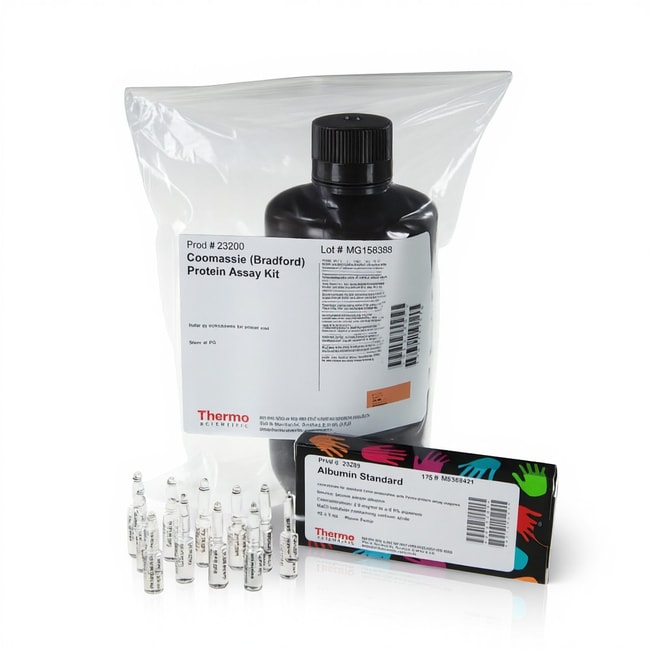
Produktkod 10270014

Produktkod 9023018

Produktkod 18710094

Produktkod 10677904
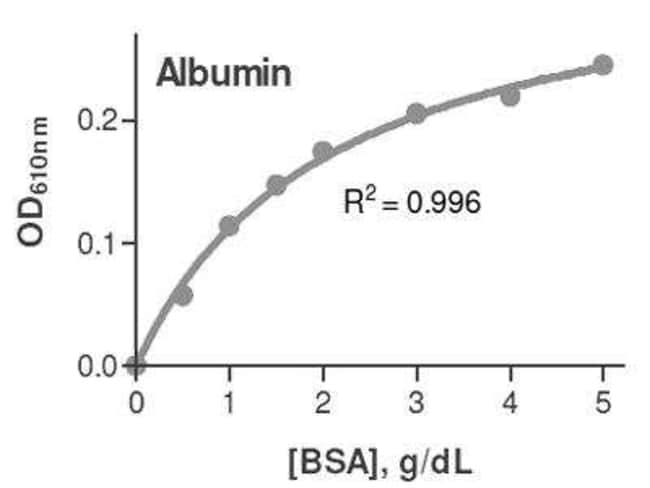
Produktkod 18603810
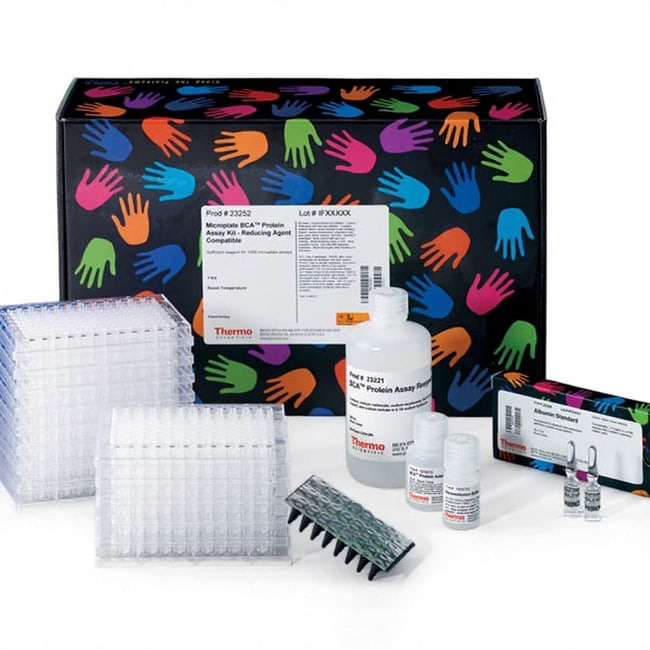

Produktkod 10495944

Produktkod 200000331

Produktkod 10341664

Produktkod 10753505
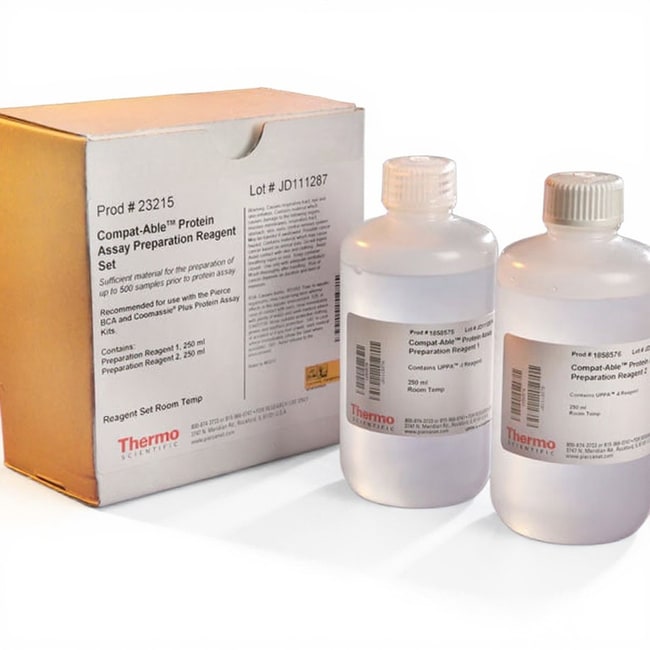
Produktkod 11861345

Produktkod 15950513
Komplettera din beställning – bra erbjudanden
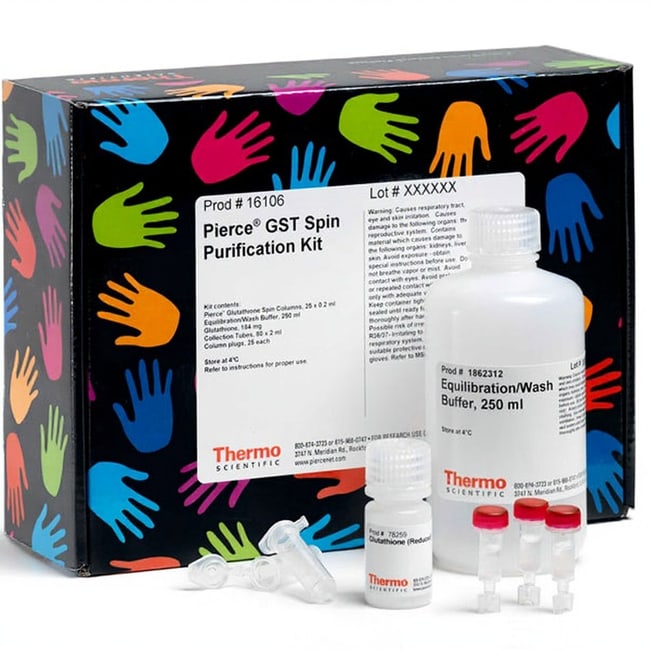
Produktkod 11870104

Produktkod 11583100

Produktkod 6909043
Must Have

Produktkod 200000333

Produktkod 10495315

Produktkod 15398086
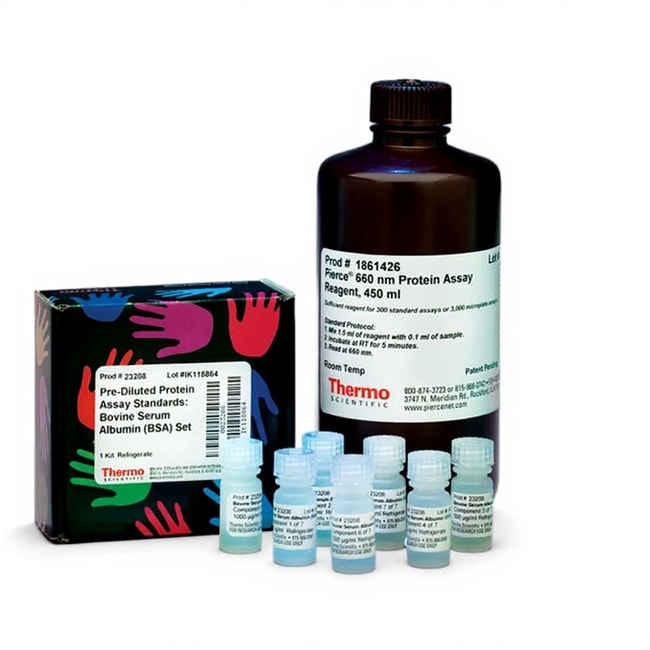
Produktkod 10404195
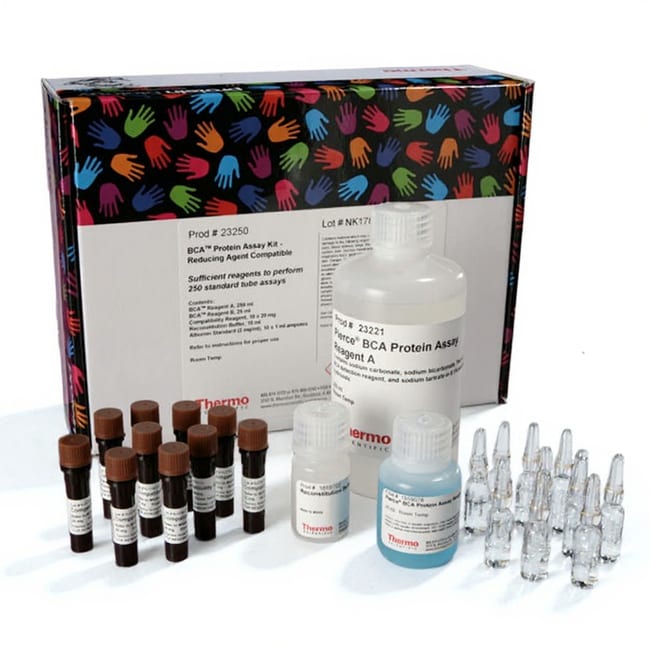
Produktkod 10750985

Produktkod 10177723

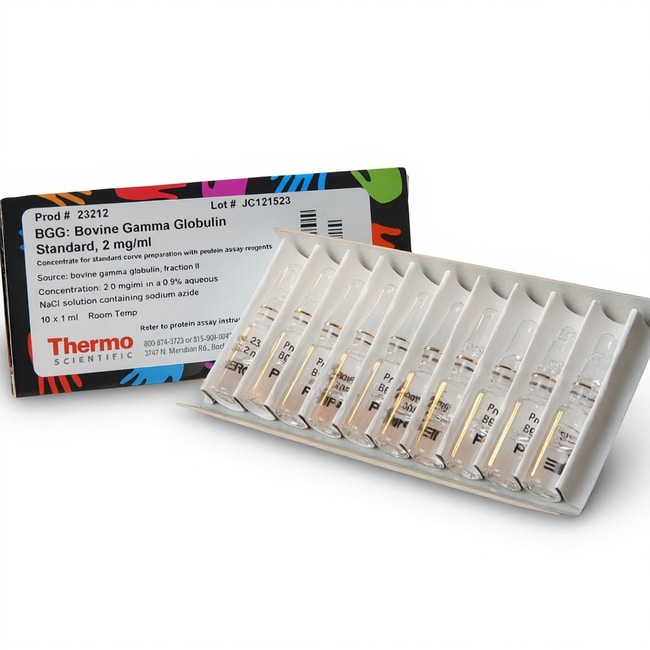
Produktkod 10760815
Vanliga frågor
En totalproteinanalys är en laboratorieteknik som används för att mäta den totala mängden protein i ett prov. Denna typ av analys används ofta inom biokemisk och klinisk forskning för att kvantifiera proteinkoncentration i olika biologiska prover såsom blodserum, celllysat eller vävnadshomogenat. Flera metoder kan användas för totalproteinanalyser, inklusive:
- Biuretmetoden: Denna metod innebär bildandet av ett violettfärgat komplex när proteiner reagerar med kopparjoner i en alkalisk lösning. Färgens intensitet, som mäts spektrofotometriskt, är proportionell mot proteinkoncentrationen
- Bradfordanalys: Denna metod använder färgämnet Coomassie Brilliant Blue, som binder till proteiner och orsakar en förskjutning i färgämnets absorptionsmaximum. Förändringen i absorbans mäts spektrofotometriskt och är proportionell mot proteinkoncentrationen
- Lowryanalys: Denna metod kombinerar Biuretreaktionen med reduktionen av Folin-Ciocalteu-reagenset, vilket resulterar i en blå färg vars intensitet är proportionell mot proteinkoncentrationen
- BCA-analys (bicinchoninsyraanalys): Denna metod baseras på reduktionen av Cu²⁺ till Cu⁺ av proteiner i en alkalisk miljö, följt av kelering av Cu⁺ med bicinchoninsyra, vilket ger en lila färg. Färgens intensitet mäts spektrofotometriskt och är proportionell mot proteinkoncentrationen
Varje metod har sina fördelar och begränsningar när det gäller känslighet, specificitet och användarvänlighet. Valet av metod beror på de specifika kraven för experimentet och typen av prov som analyseras.
Ett alternativ till BCA-analysen är Bradfordanalysen. Båda analyserna används vanligtvis för att bestämma proteinkoncentration, men de bygger på olika principer och har olika fördelar och begränsningar.
Bradfordanalysen använder färgämnet Coomassie Brilliant Blue, som binder till proteiner, främst via argininrester, och orsakar en förskjutning i färgämnets absorptionsmaximum. Den resulterande färgförändringen kan mätas spektrofotometriskt.
Fördelar:
- Snabb och enkel att utföra
- Hög känslighet för detektering av låga proteinkoncentrationer
- Mindre påverkan från vanliga laboratoriereagenser (t.ex. reduktionsmedel, detergenter)
Begränsningar:
- Responsen kan variera beroende på proteinsammansättning (t.ex. arginininnehåll)
- Mindre linjärt område jämfört med BCA- och Lowry-analyser
Bradfordanalysen är mycket känslig, medan BCA-analysen kan vara mer konsekvent över olika typer av proteiner. Bradfordanalysen påverkas mindre av vissa kemikalier (t.ex. detergenter) som kan störa BCA-analysen. BCA-analysen har generellt ett bredare linjärt område jämfört med Bradfordanalysen.
Valet mellan BCA-analysen och dess alternativ beror på de specifika kraven för experimentet, typen av prov och förekomsten av störande ämnen.
När du väljer ett kit för totalproteinanalys är det viktigt att ta hänsyn till flera faktorer för att säkerställa att kitet uppfyller de specifika kraven för ditt experiment och ger tillförlitliga resultat. Här är fem viktiga överväganden:
1) Känslighet och detektionsområde:
Avgör om analysen kan detektera de proteinkoncentrationer som finns i dina prover. Vissa analyser är mer känsliga än andra, vilket är avgörande för prover med låga proteinkoncentrationer. Säkerställ att analysen har ett lämpligt dynamiskt område för att noggrant mäta proteinkoncentrationerna i dina prover utan behov av överdriven spädning eller koncentration.
2) Provkompatibilitet:
Bekräfta att analysen är kompatibel med de typer av prover du planerar att analysera (t.ex. serum, plasma, celllysat, vävnadshomogenat). Utvärdera om vanliga komponenter i dina prover (t.ex. detergenter, reduktionsmedel, salter) kan störa analysen. Vissa analyser är mer toleranta mot sådana komponenter än andra.
3) Noggrannhet och precision:
Kontrollera om analysen ger noggranna mätningar som överensstämmer med kända standarder eller andra validerade metoder. Ta hänsyn till reproducerbarheten av analysresultaten. Hög precision är avgörande för tillförlitliga och konsekventa data, särskilt vid jämförelse av flera prover eller experimentella förhållanden.
4) Användarvänlighet och tidsåtgång:
Bedöm komplexiteten i analysprotokollet. Enklare och mer raka procedurer kan spara tid och minska risken för användarfel. Ta hänsyn till den totala tid som krävs för att slutföra analysen, från provberedning till datainsamling. Snabbare analyser kan förbättra genomströmning och effektivitet i laboratoriet.
5) Kostnad:
Utvärdera kostnaden för analyskitet, inklusive eventuella nödvändiga reagenser och förbrukningsmaterial. Väg kostnaden mot din budget och antalet prover du behöver analysera. Genom att noggrant överväga dessa faktorer kan du välja ett kit för totalproteinanalys som bäst passar dina experimentella behov och ger exakta och tillförlitliga resultat.
Resurser och relaterad information


Toppvarumärken