Microcentrifuges
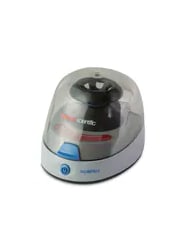
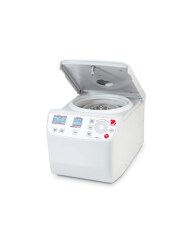
Microcentrifuges are essential in molecular biology, clinical, pharmaceutical and industrial laboratories for rapid separation of small-volume samples. From quick spin-downs of nucleic acids and proteins to plate-based assays and haematocrit determinations, choosing the right rotor format, speed and footprint ensures reliable results and efficient workflows.

Useful Links
Selector Guide
Save Now - Exclusive Deals

Product Code 16301338

Product Code 15334204

Product Code 15851872


Product Code 17606315

Product Code 16311338

Product Code 10226249

Product Code 12603106
Product Code 10236249

Product Code 10733625

Product Code 10223659

Product Code 10555835

Product Code 13447629

Product Code 15669186
Product Code 13511540
Complete Your Order - Great Deals
Product Code 11516873

Product Code 17616315
Product Code 10756090
Must Have

Product Code 17852966

Product Code 10274744
Product Code 11859153

Product Code 15909350

Product Code 10152694
Product Code 10230395
Product Code 10441454

Product Code 17845537

Product Code 15806762
Product Code 16231742
Product Code 10112074
Product Code 17244243

Product Code 16497935
Product Code 15368824
Product Code 15975701
FAQ
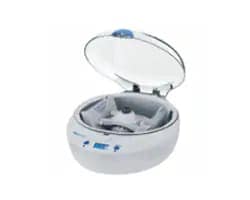
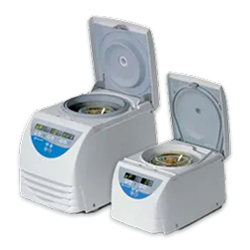
A microcentrifuge is a compact benchtop centrifuge designed for small-volume tubes or strips, typically up to 2.0 mL. It is used for pelleting nucleic acids, proteins, cells and reaction components in PCR, cloning and clinical workflows using instruments from brands such as Thermo Scientific, Fisherbrand, Corning and Ohaus.
Mini microcentrifuges are ideal for quick spin-downs and routine tasks at ambient temperature, while refrigerated models maintain set temperatures for sensitive enzymes, nucleic acids and clinical samples. Choose based on run time, target temperature, rotor capacity and whether your protocols specify cooling, for example with Sorvall or Axygen instruments.
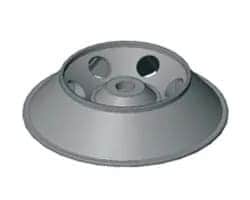
Common rotor types include fixed-angle rotors for 1.5/2.0 mL tubes, strip rotors for PCR strips, swing-out rotors for microplates and dedicated hematocrit rotors. Many Thermo Scientific, Fisherbrand and Ohaus systems offer interchangeable rotors, allowing you to expand from basic pelleting to plate-based assays without changing instruments.
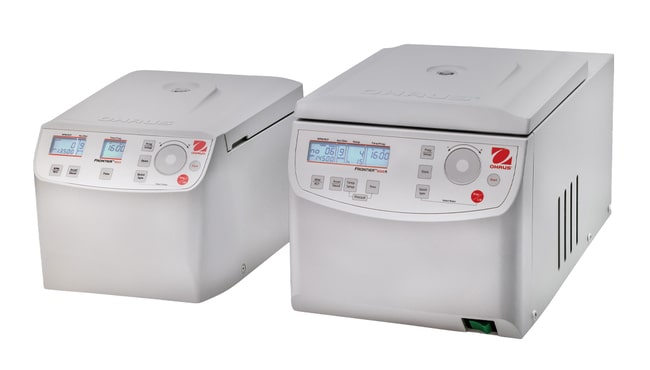
G-force (RCF) and RPM determine how quickly a centrifuge pellets particles at a given radius. Instruments such as the Ohaus FC5513 or Sorvall Legend Micro series provide high RCF values for fast separations, while mini models focus on convenience. Matching protocol-specified g-force helps ensure reproducible yields and consistent separations across runs.
Always balance tubes by volume and weight, close biocontainment lids securely and select rotors rated for your maximum RPM and g-force. Using sealed rotors, such as ClickSeal systems on Fisherbrand and Thermo Scientific models, helps minimise aerosol risks, while regular maintenance and cleaning preserve performance and extend instrument lifetime.
Resources and Related Information
Eppendorf™ QuickLock Technology in Action
Top Brands